


The Growing Problem of Fake Car Spare Parts in Ghana
You’ve just spent your hard-earned cedis at a local shop for a new set of brake pads. But three weeks later, they’re squealing like a tro-tro on the N1.
Unfortunately, the market for fake car spare parts in Ghana is significant, especially in busy spare parts hubs such as Abossey Okai, Kokompe, and Odawna.
These counterfeit parts often look identical to genuine ones but are made with inferior materials and poor engineering standards. Using them doesn’t just waste money — it can also put your safety at risk on the road.
Knowing how to identify genuine parts can save you from costly repairs and dangerous mechanical failures.
Why Counterfeit Spare Parts Are Dangerous
Counterfeit parts are not manufactured according to the engineering specifications of the original manufacturers. This means they fail much faster and can damage other components in your vehicle.
Common risks include:
- Brake failure due to poor brake pad materials
- Engine damage caused by low-quality oil filters
- Reduced fuel efficiency
- Frequent mechanical breakdowns
- Higher long-term repair costs
A spare part that seems cheap today may cost you thousands of cedis in repairs tomorrow.
1. Check the Price – The First Red Flag
One of the easiest ways to identify fake car parts is the price difference.
If a “genuine” Toyota oil filter is 70% cheaper than what reputable suppliers sell, there is a high chance it is counterfeit.
Authentic spare parts involve engineering, testing, and quality control — meaning they cannot be extremely cheap.
If the price seems too good to be true, it usually is.
2. Inspect the Packaging Carefully
Genuine automotive parts typically come with high-quality packaging.
Counterfeit parts often have packaging with:
- Misspelled brand names (e.g., Toyota or Nissan)
- Poor printing quality
- Blurry logos
- Missing security seals
Always take a moment to inspect the packaging before purchasing.
3. Look for Security Holograms
Many reputable automotive brands such as Bosch, NGK, Toyota, and Denso include security holograms on their packaging.
A genuine hologram usually:
- Reflects light clearly
- Has depth and shimmer
- Cannot be easily peeled off
If the hologram looks like a flat sticker, the part may not be genuine.
4. Compare Weight and Build Quality
Counterfeit parts are usually made from inferior materials.
Signs of fake parts include:
- Rough or unfinished edges
- Lighter weight than expected
- Poor surface finishing
- Inconsistent metal quality
Original spare parts typically feel solid, well-finished, and precisely engineered.
5. Verify QR Codes and Serial Numbers
Many modern automotive parts now include QR codes or serial numbers that allow customers to verify authenticity.
Before buying a part:
- Scan the QR code with your smartphone
- Check if it leads to the manufacturer’s official website
- Confirm that the serial number matches the product
If the QR code leads to a dead link or generic page, it could indicate a counterfeit product.
Buy Spare Parts From Trusted Automotive Providers
One of the safest ways to avoid counterfeit spare parts in Ghana is to buy from trusted automotive service providers with verified supply chains.
Professional service providers typically work directly with authorized distributors and certified importers, ensuring customers receive genuine products.
AA Mobility Insight
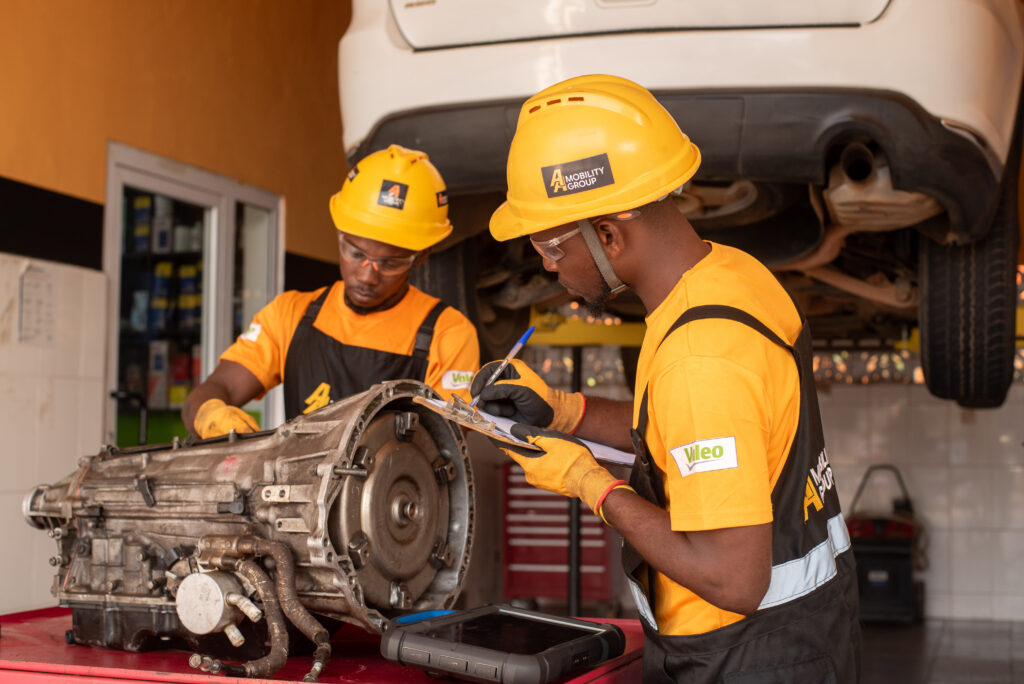
At AA Mobility, we prioritize quality and safety by sourcing spare parts from verified distributors and trusted suppliers.
Our technicians also ensure that parts are installed correctly so your vehicle performs reliably on Ghana’s roads.
Final Thoughts
Fake car spare parts remain a major challenge in Ghana’s automotive market. However, by paying attention to packaging, pricing, build quality, and product verification features, drivers can significantly reduce the risk of buying counterfeit components.
Whenever you are unsure about a spare part’s authenticity, it is always safer to consult a trusted automotive professional before installation.
